How to Choose the Right Metal Casting Foundry: Key Things to Understand
Choosing the appropriate metal casting foundry is a crucial decision that can considerably impact project outcomes. Various factors come into play, including background, standing, and production abilities. Recognizing these elements is important for ensuring alignment with particular project requirements. As one explores this complex landscape, several key considerations arise, prompting a deeper examination of what truly counts in establishing an effective partnership.
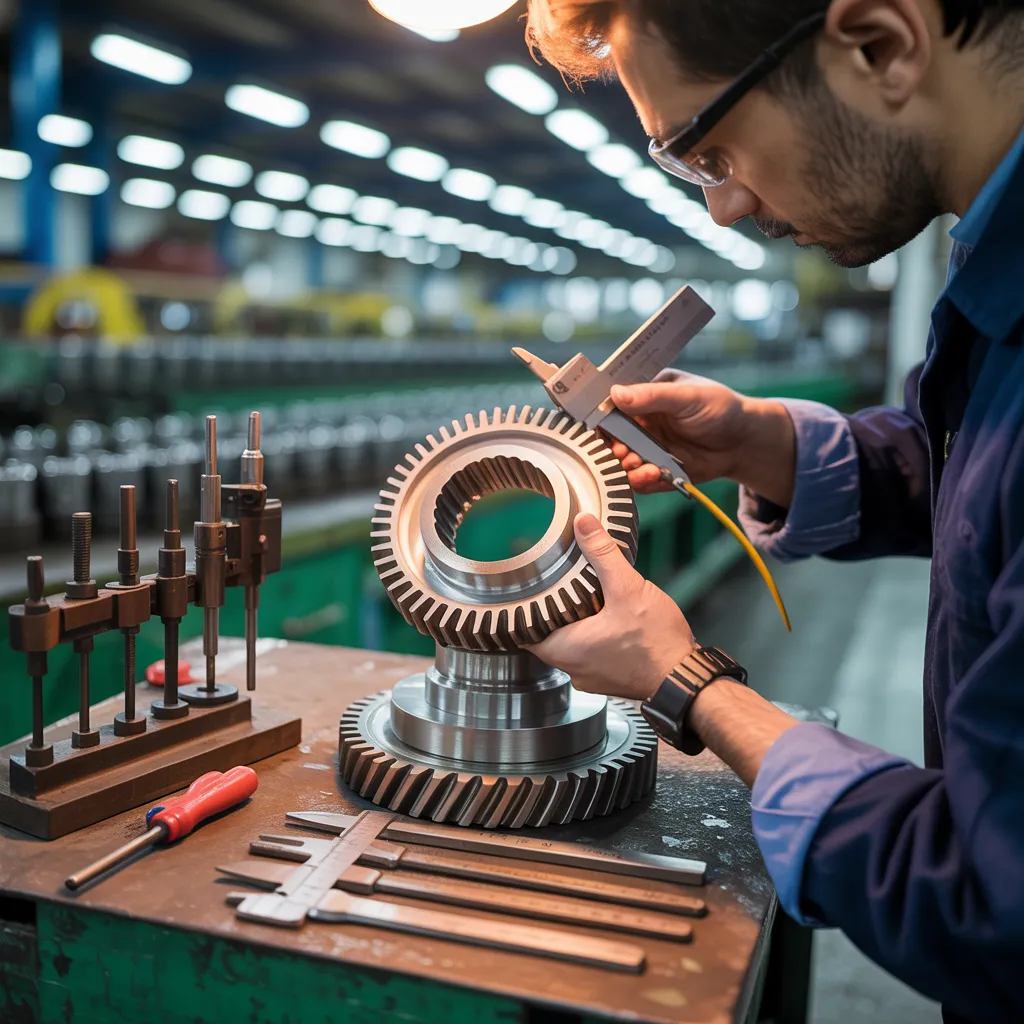
Critical Guidelines for Selecting Metal Casting Foundries
When evaluating a metal casting foundry, it is important to take into account a number of key factors to ensure quality and efficiency. To begin, the reputation and experience of the foundry in the industry ought to be considered, as reputable operations often exhibit dependability and proficiency. Next, the range of materials offered is important; a facility that can handle a wide range of metals may more readily address a wide range of project demands.
Moreover, examining the casting facility's equipment and technological capabilities is vital; contemporary machinery can increase precision while decreasing manufacturing time. Standards of quality control should also be scrutinized, as stringent protocols confirm that the finished goods adhere to established industry benchmarks. Moreover, communication and customer service prove instrumental in cultivating a productive partnership. Lastly, the manufacturer's ability to honor project schedules and budget parameters is paramount for maintaining project timelines and financial planning. As a whole, these factors establish a thorough foundation for analyzing candidate metal foundry suppliers.
Understanding Production Capabilities in Metal Casting
Understanding operational capabilities is vital when selecting a foundry for metal casting. This involves examining the multiple casting processes offered, the scale and volume options available, and the compatibility of materials with individual projects. These factors can substantially affect the quality and efficiency of the finished product.
Casting Process Types
Choosing the most suitable metal casting process is vital, as it directly affects production capabilities and the integrity of the final product. Numerous casting methods are available, each suited to specific applications and materials. Sand casting is commonly utilized for its versatility and cost-effectiveness, well-suited for complex shapes. Investment casting offers high precision, making it suitable for intricate designs. Die casting is chosen for mass production, delivering consistent quality and shorter lead times. Gravity and low-pressure casting address different material requirements, especially for non-ferrous metals. Comprehending these processes allows manufacturers to match their production goals with the capabilities of the foundry, confirming the selected method meets both operational and budgetary criteria for the desired outcome.
Scale and Volume Options
Identifying the correct volume and scale options is critical for enhancing production capabilities in metal casting. Foundries specializing in metal casting feature a range of capacities, covering everything from small operations designed for prototype production to major facilities designed to manage large production runs. Organizations should examine their project needs, accounting for variables such as turnaround schedules, budgetary restrictions, and the target application of cast parts. A facility's proficiency in scaling manufacturing processes can markedly impact turnaround times and cost-effectiveness. Furthermore, examining the foundry's tools and technical resources can identify its core competencies and potential limitations. By coordinating output demands with a foundry's operational strengths, businesses can ensure that their casting projects are completed efficiently, fulfilling quality expectations and delivery deadlines.
Considerations for Material Compatibility
Material compatibility is a critical factor in the achievement of any metal casting endeavor. Picking the correct materials confirms that the final product meets performance specifications and regulatory standards. Foundries need to have proficiency in a wide selection of alloys, such as steel, aluminum, and bronze, as well as their associated casting processes. Understanding thermal properties, corrosion resistance, and mechanical strength is fundamental for proper material selection. Furthermore, the foundry's machinery and production capacity should correspond with the chosen materials to avoid defects during casting. Maintaining detailed communication with the foundry regarding specific material requirements can lead to enhanced quality and reduced lead times. Ultimately, careful consideration of material compatibility can greatly impact the durability and functionality of the final product.
What Material Options Should You Consider?
When assessing a foundry for metal casting, various material options play an essential role in establishing the suitability for particular projects. Popular materials consist of aluminum, valued for its lightweight properties and corrosion resistance, making it well-suited for automotive and aerospace uses. Cast iron, renowned for its superior wear resistance, is commonly utilized in heavy machinery and automotive components. Steel, especially in its alloyed varieties, offers high strength and durability, suitable for structural applications.
Copper-based alloys, including bronze and brass, are preferred for their superior conductivity and visual appeal, frequently employed in electrical and aesthetic applications. Furthermore, specialty metals such as titanium offer remarkable strength-to-weight ratios for sophisticated engineering projects. Understanding the properties and applications of these materials guarantees that stakeholders choose the right foundry, aligning material characteristics with project requirements. Ultimately, identifying the suitable material is vital for reaching maximum performance and lasting quality in the completed product.
Why Quality Assurance Is Important to You?
Quality assurance serves as a vital component that can greatly impact the overall performance of any metal casting operation. Making certain that a foundry follows rigorous quality protocols can reduce the likelihood of flaws and irregularities in the finished product. This becomes especially critical in industries where precision is paramount, such as aerospace and automotive.
A foundry's commitment to quality assurance reflects its operational integrity. Implementing rigorous testing and inspection protocols not only enhances product reliability but also fosters trust between the client and the manufacturer. Quality assurance processes can identify potential issues early, reducing costly rework or delays later in the production cycle.
Additionally, foundries that place emphasis on quality assurance are inclined to employ cutting-edge technologies and experienced personnel, thereby improving the total quality of their craft. For clients, choosing a foundry that prioritizes quality assurance can bring about improved performance and longevity of the cast products, guaranteeing that project objectives are achieved successfully.
Understanding the Impact of Turnaround Times on Your Project
Lead times play a vital role in defining the ultimate outcome of a metal casting project, as delays can interrupt timelines and drive up expenses. The capacity of a foundry to deliver products on schedule can significantly impact the project's lifecycle. For production teams, unanticipated delays can cause missed deadlines, disrupting downstream processes such as assembly and distribution. This can result in lost revenue and strained customer relationships.
Moreover, rapid processing times enable firms to react quickly to market needs, fostering competitiveness. Brief turnaround times can also enable better inventory control, reducing warehousing costs and inefficiencies. In contrast, lengthy lead times may prompt companies to look for competing suppliers, damaging existing relationships and confidence.
Fundamentally, comprehending the production timelines of a metal casting operation is essential for effective project management. Assessing these elements early on can assist in ensuring that project deadlines are fulfilled effectively, consequently securing the success of the entire project.
Key Tips for Establishing a Successful Relationship With Your Foundry
A productive relationship with a metal casting foundry depends on clear communication and mutual understanding. Setting clear objectives and expectations from the beginning promotes a collaborative environment. Regular updates and feedback loops confirm that both sides maintain alignment across all stages of production.
Moreover, understanding the foundry's specific strengths and constraints is vital. Such understanding assists in establishing achievable deadlines and reduces potential setbacks. Building trust is also a key factor; honest communication about project requirements and challenges can enhance collaborative problem-solving capabilities.
Additionally, fostering a partnership founded upon respect and appreciation can produce stronger loyalty from the foundry. Appreciating their skills and appreciating their insights can generate creative solutions and improved quality.
Additionally, dedicating time to regular meetings and discussions can reinforce the partnership, ensuring that both partners are committed and driven to reach mutual goals in all projects.
Common Questions and Answers
What Is the Best Way to Compare Costs Between Different Foundries?
To compare costs between different foundries, you should gather detailed quotes, analyze material see more and labor costs, evaluate production capabilities, and consider additional factors like turnaround times and quality control measures to achieve a thorough and reliable comparison.
What Are the Environmental Practices of the Foundry?
The foundry's eco-friendly operations encompass emissions control, waste management, and energy conservation strategies. Evaluating certifications, recycling initiatives, and the use of sustainable materials may reveal important details about their devotion to environmentally responsible operations and industry compliance.
Is It Possible to Visit the Foundry Prior to Making a Decision?
Prospective clients are frequently welcome to visit the foundry prior to making a decision. Such visits allow them to assess operations, understand capabilities, and gauge environmental practices, instilling assurance in their final selection of the foundry.
What Credentials Should a Respected Foundry Hold?
A trustworthy foundry must maintain credentials such as the ISO 9001 standard for quality management systems, the ISO 14001 standard for environmental management, and specific industry certifications like ASTM or ASME, confirming conformity to recognized standards and best practices in metal casting processes and operations.
How Does the Foundry Deal With Unexpected Production Issues?
A reliable foundry resolves unexpected production challenges through timely and transparent communication, deploying contingency plans, and leveraging experienced personnel. Ongoing oversight and a collaborative approach with partners provide swift problem resolution and preserve production integrity throughout the workflow.